
Atlanta Hawks
Hawks’ Trade of Trae Young Signals New League Dynamics

The Atlanta Hawks’ controversial decision to part ways with star guard Trae Young during his peak years has sent ripples throughout the NBA. This unexpected move, which occurred without securing any draft picks in return, has prompted widespread discussion among analysts and executives alike regarding the evolving trade landscape. , according to hoopswire.com
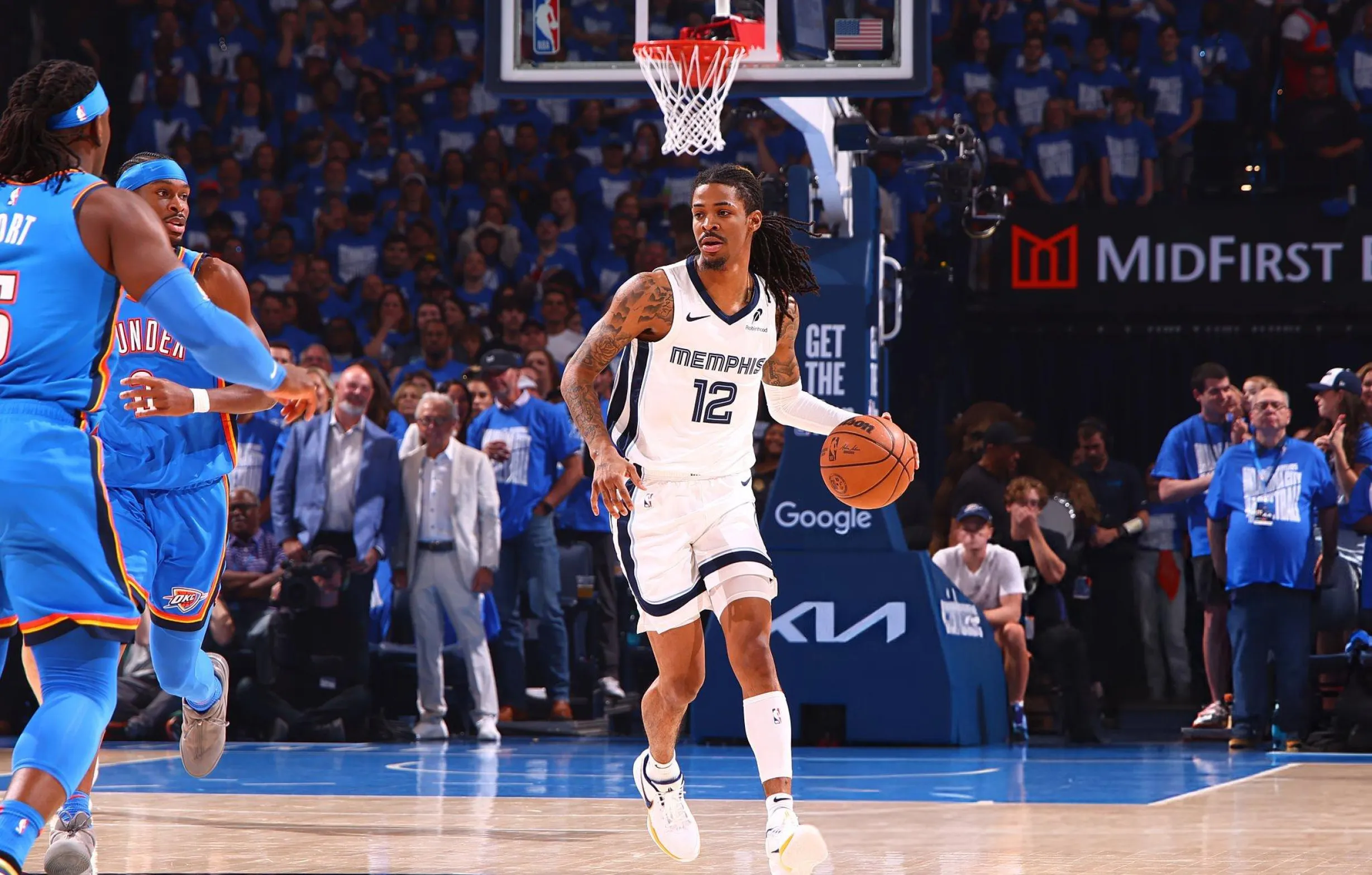
In a recent analysis, Yossi Gozlan of ThirdApron.com delves into the implications of this trade, highlighting a significant shift in the trade market dynamics caused by the current Collective Bargaining Agreement (CBA). As teams grow increasingly protective of their draft assets and salary cap flexibility, the willingness to engage in blockbuster trades appears to be dwindling. Gozlan notes that this trend could have far-reaching effects, even for teams like the Memphis Grizzlies, who may find their own star player, Ja Morant, facing a similar lack of suitors if they were to explore trade options.
The crux of Gozlan’s argument is that value in the league is no longer solely based on a player’s skill set. Factors such as contract structure, restrictions from the apron, and long-term team flexibility are now critical in shaping trade negotiations. This evolution reflects a broader trend where teams are prioritizing financial stability and future prospects over immediate talent acquisition.
The free agency landscape also presents its own challenges, particularly for restricted free agents. Last offseason was marked by a notable reluctance among teams to extend offer sheets, as they were wary of the constraints imposed by the new CBA. Notable players like Jonathan Kuminga, Josh Giddey, Cam Thomas, and Quentin Grimes found themselves in a precarious position, with potential suitors hesitant to commit significant cap space, fearing long-term repercussions.
In a discussion for The Athletic, basketball insiders Joel Lorenzi, Tony Jones, and Nick Friedell explored how this cautious approach has reshaped the market. With teams focusing on avoiding financial entrapment, fewer aggressive bids were made, resulting in a quieter free agency period than in previous years.
As the league continues to adapt to these shifting dynamics, the impact of the Hawks’ decision to trade Young serves as a case study for other franchises. The strategic management of draft picks and salary cap flexibility is becoming paramount, as teams look to build sustainable success rather than gamble on immediate returns.
Ultimately, the fallout from the Young trade and the subsequent free agency landscape underscores a pivotal moment in the NBA. Teams are now more inclined to weigh the long-term implications of their roster moves, which could lead to a more conservative approach to player transactions moving forward. The evolving nature of player value—where contract terms and financial considerations hold equal weight to on-court performance—could define the league’s trajectory in the coming seasons.


