
Los Angeles Sparks
NBA’s ’65-Game Rule’ Sparks Debate Over Player Awards

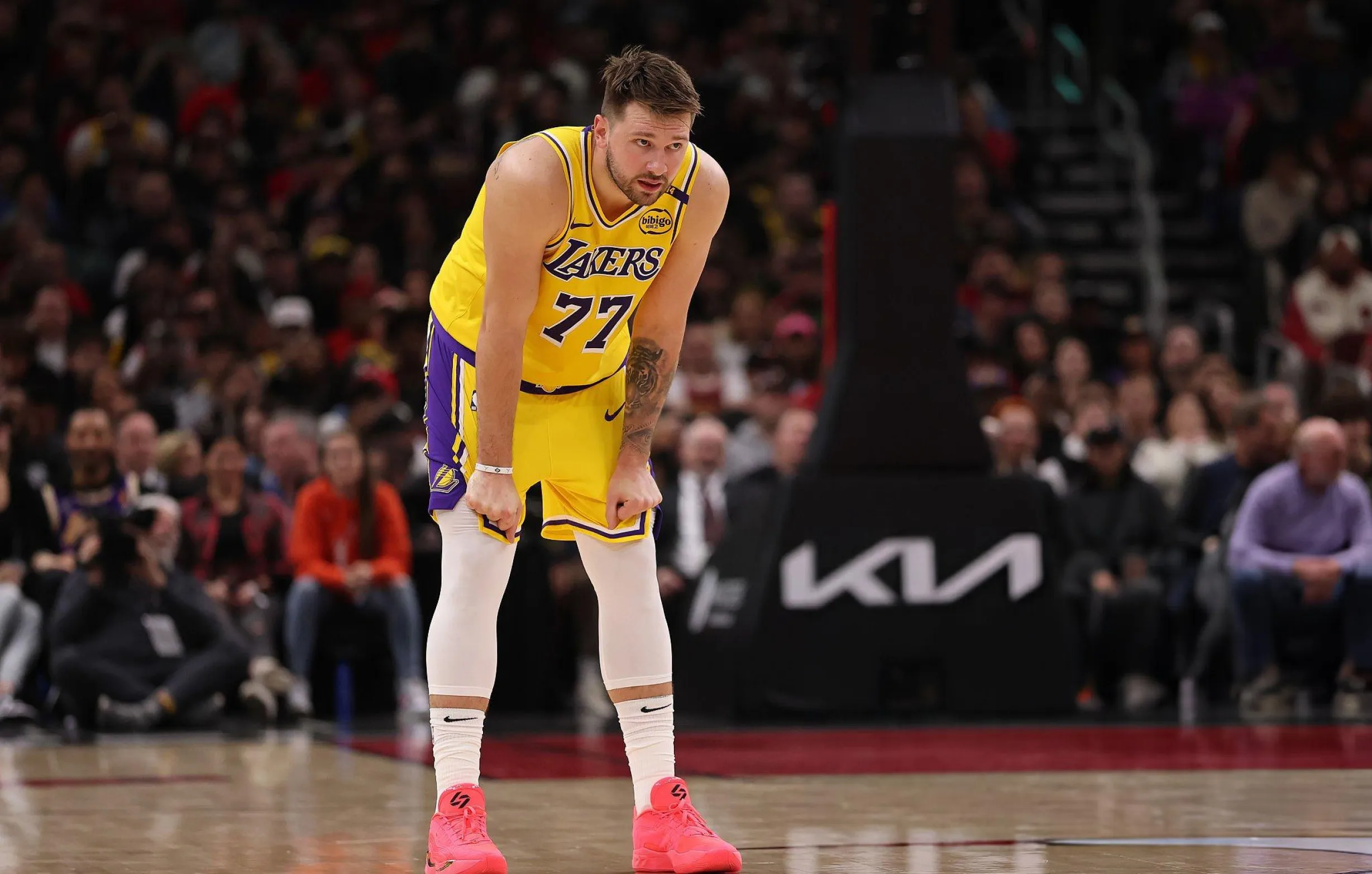
In a significant shift in the landscape of player awards, the NBA’s newly instituted ’65-game rule’ is stirring controversy among fans, analysts, and players alike. This policy, which mandates that players must participate in at least 65 games to be eligible for major accolades such as the MVP award, is raising eyebrows, particularly regarding its potential implications for superstars like Nikola Jovic.
This rule was introduced as part of the league’s broader strategy to combat load management and ensure that top players are available for a greater number of games throughout the season. While the intent behind the policy is to enhance the competitive integrity of the league, it has also sparked discussions about fairness and the nature of player performance.
As reported by Yahoo Sports, this regulation could have dire consequences for Jovic, who, despite being a frontrunner for the MVP award, may find his chances undermined if he falls short of the 65-game threshold. The Miami Heat forward has already faced challenges with injuries in the past, and the pressure to meet this newly established benchmark could weigh heavily on his performance and health.
Critics argue that the rule disproportionately affects players who are already at a heightened risk for injury, especially those who rely on their physicality and explosiveness. The notion that a player’s contribution to their team’s success can be reduced to a mere games-played statistic has been met with skepticism. This policy could inadvertently encourage players to push through injuries rather than prioritize their long-term health, a scenario that could ultimately detract from the league’s overall product.
Moreover, this rule has implications beyond individual awards. Teams might feel compelled to adjust their strategies regarding player rotation and rest days. Coaches may be forced to rethink how they utilize their star players, potentially leading to a more conservative approach to managing their stars, which could affect team dynamics and overall performance.
Looking at the broader context, the NBA is not alone in grappling with the challenges of load management. Other major sports leagues are also facing similar dilemmas, indicating a shifting landscape where player health and performance metrics are increasingly scrutinized. The NBA’s decision to implement the ’65-game rule’ reflects a growing desire to maintain the integrity of competition while being mindful of player welfare.
As the season progresses, it will be fascinating to monitor how this rule impacts not only Jovic’s MVP candidacy but also the way teams approach their seasons. Will we see a shift in how coaches manage their players, or will the desire to win overshadow the long-term health considerations? These questions loom large as the NBA navigates the delicate balance between competition and player care.
In conclusion, while the intent behind the ’65-game rule’ may be commendable, its implementation raises important questions about player eligibility and the very essence of what it means to be an MVP. As the league continues to adapt, the conversations surrounding this policy will undoubtedly evolve, shaping the future of player awards and team strategies.


