
Basketball News
NBA Adjusts Rules on End-of-Quarter Shots for Players

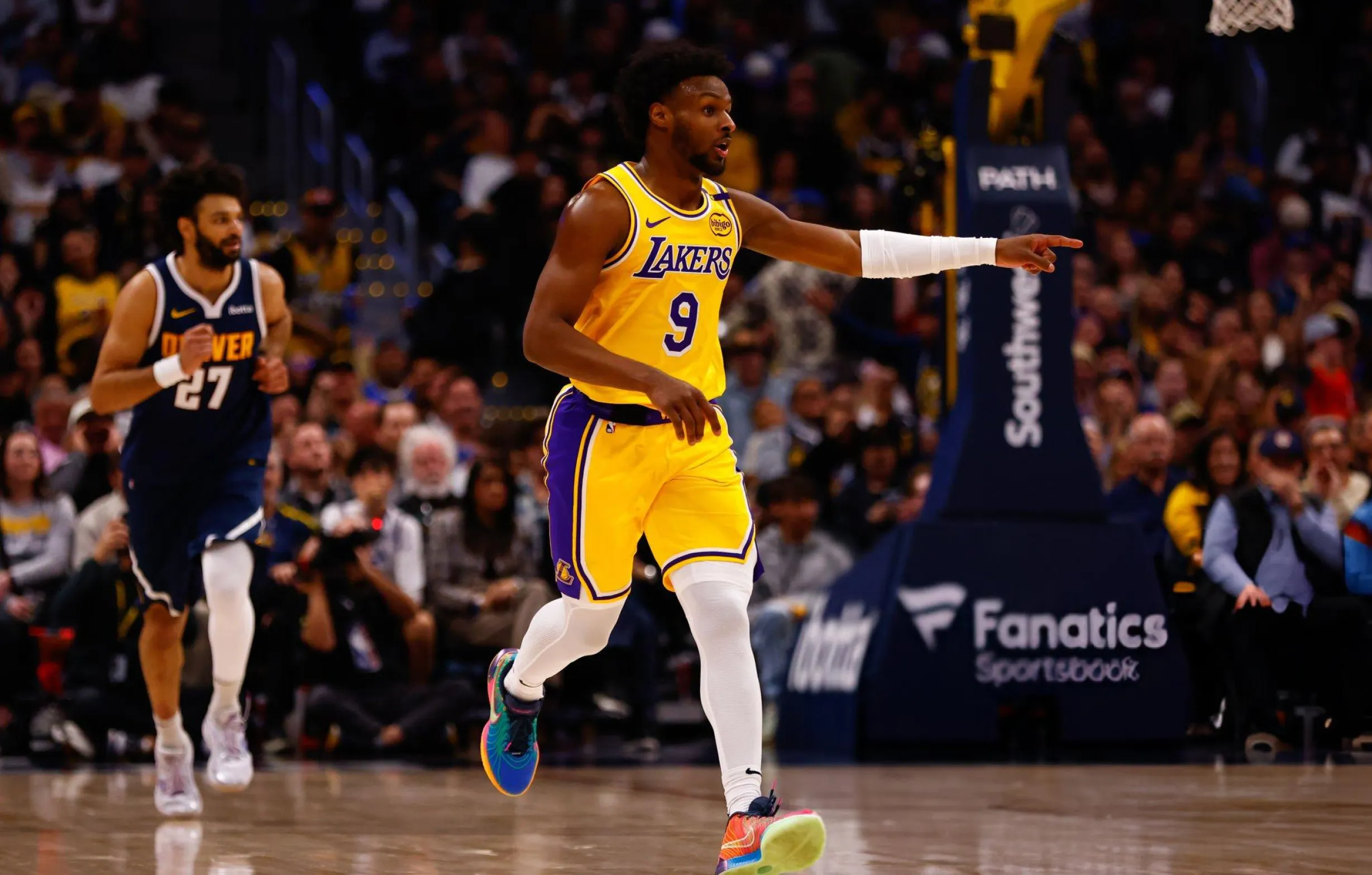
In a significant rule change, the NBA has decided that shots attempted at the end of a quarter, often referred to as “heaves,” will no longer count against a player’s shooting percentage. This alteration is aimed at reducing the pressure on players who previously hesitated to take these long-range attempts due to concerns over their statistics. Many players opted out of such shots because they were typically low-percentage attempts, which could negatively impact their overall shooting metrics.
This decision reflects a broader shift in the league’s approach to statistics and player performance, as officials recognize the need for a more nuanced understanding of shot attempts. As reported by www.nbcsports.com, the rationale behind this move is to encourage players to take risks and attempt shots that could change the momentum of a game, especially during high-pressure situations.
The change also recognizes the evolving nature of the game itself, where perimeter shooting has become increasingly vital. Players are now often expected to stretch defenses with long-range shots, and this new rule alleviates the anxiety surrounding statistical repercussions. By removing the stigma attached to these desperation heaves, the league hopes to foster a more dynamic and entertaining style of play.
Critics have long argued that the traditional metrics used to evaluate players can sometimes be misleading, particularly in high-pressure scenarios. This adjustment could lead to a more accurate reflection of a player’s scoring ability, especially for those who are known for their clutch performances. The end-of-quarter shot has often been a strategic element, and allowing players to take these shots without penalty may lead to more thrilling finishes.
Additionally, this rule change may influence coaching strategies. Coaches often prefer their players to avoid unnecessary risks, particularly when a game is on the line. With this new flexibility, teams might adopt a more aggressive mindset, with a greater focus on taking risks that could yield game-changing results.
As the NBA continues to evolve, the importance of adapting rules to reflect the current state of the game cannot be overstated. This latest development is part of a series of modifications aimed at enhancing the overall experience for both players and fans. The league’s commitment to innovation also demonstrates its understanding of the modern game’s landscape, where analytics play a crucial role in decision-making.
The reception of this rule change by players and coaches will be closely monitored in the coming season. As players adjust to this new framework, it will be interesting to see whether we witness an uptick in end-of-quarter heaves and how these efforts will impact game outcomes. The NBA’s willingness to explore new frontiers in gameplay and statistics speaks volumes about its desire to remain at the forefront of professional sports.


