
Basketball News
NBA Changes Rule for End-of-Quarter Heaves to Boost Action

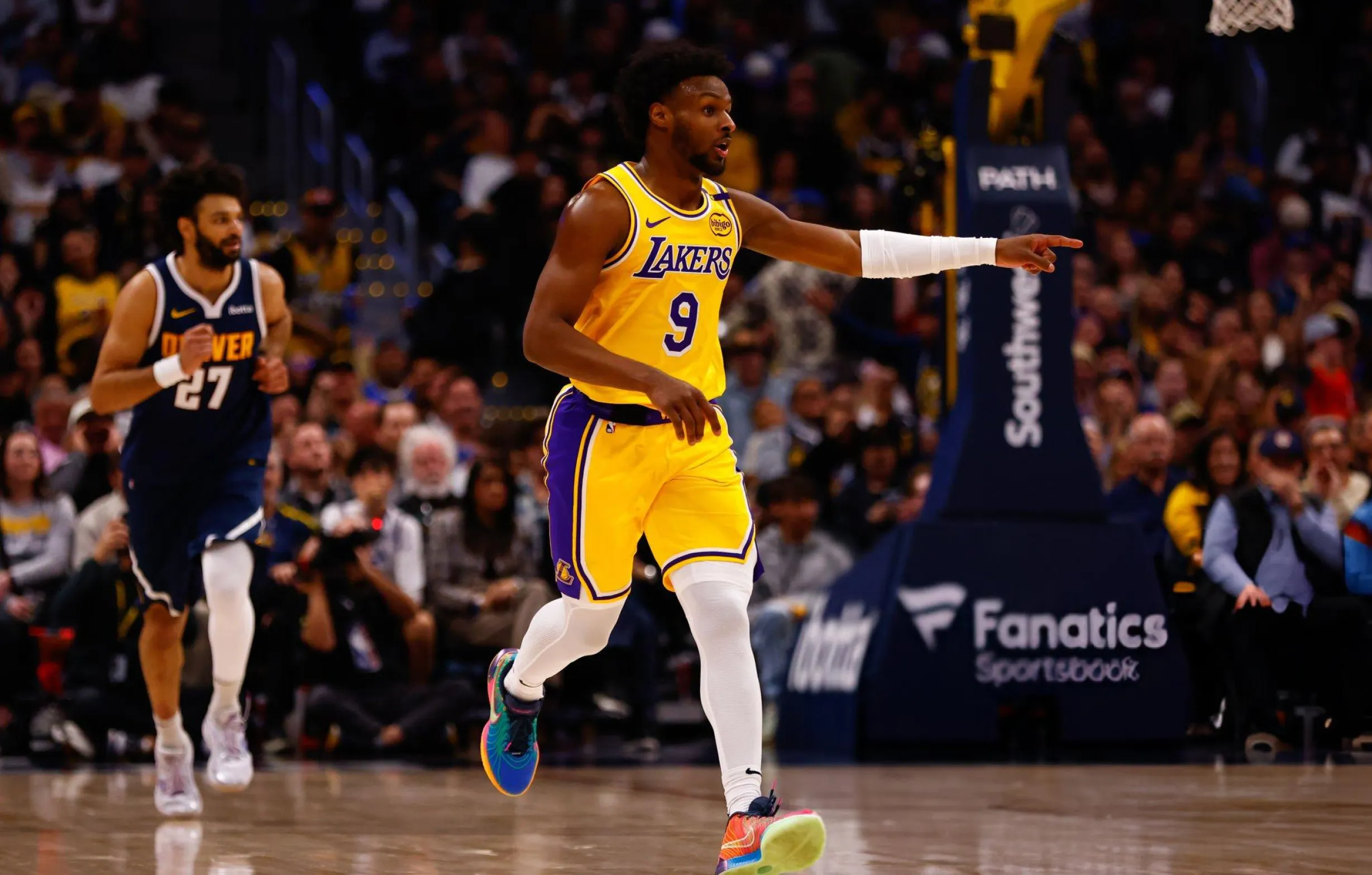
In a strategic move aimed at revitalizing the excitement surrounding end-of-quarter plays, the NBA has announced a new rule for the upcoming 2025-26 season. According to reports from CBS Sports, the league will now categorize missed long-range attempts—often referred to as “heaves”—at the end of the first three quarters as team field goal attempts rather than penalizing individual players. This change is designed to encourage players to take more daring shots as the clock winds down, potentially leading to more thrilling buzzer-beaters.
The league’s decision follows a successful trial run during the Summer League, where the impact of the new rule was closely monitored. By shifting the record of these missed attempts from individual statistics to team totals, the NBA aims to foster a more aggressive shooting mentality among players. This adjustment means that those last-second heaves, which can often skew a player’s shooting percentage negatively, will no longer have an adverse effect on their individual stats. Instead, the team will absorb the impact of any missed heaves.
So, what qualifies as a “heave”? The NBA has outlined specific criteria for these plays. To be categorized under this new rule, a missed field goal attempt must occur within the final three seconds of a quarter and originate from beyond the outer edge of the center circle extended, which is roughly 36 feet from the basket. Additionally, the attempt must begin in the backcourt. This definition sets a clear standard for what is considered an attempt worthy of this new statistic treatment.
This rule change reflects the league’s broader vision of enhancing the pace and excitement of the game. With a focus on high-scoring plays and dramatic finishes, the NBA recognizes the allure of the buzzer-beater in drawing in fans and elevating the overall viewing experience. By encouraging players to take those high-risk shots, the league is betting that it will increase the number of spectacular moments that fans tune in for.
Moreover, this move may also have implications for how teams strategize toward the end of quarters. Coaches may feel more empowered to allow players to take those deep shots, knowing that it won’t hurt individual shooting percentages, thereby fostering an environment that prioritizes team success over individual stats.
In conclusion, the NBA’s alteration of how missed end-of-quarter heaves are recorded is a forward-thinking initiative aimed at injecting more excitement into the game. By encouraging players to attempt these long-range shots without the fear of negatively impacting their personal stats, the league is poised to create more memorable moments for fans and players alike in the upcoming season.


